
Winemaking and Temperature
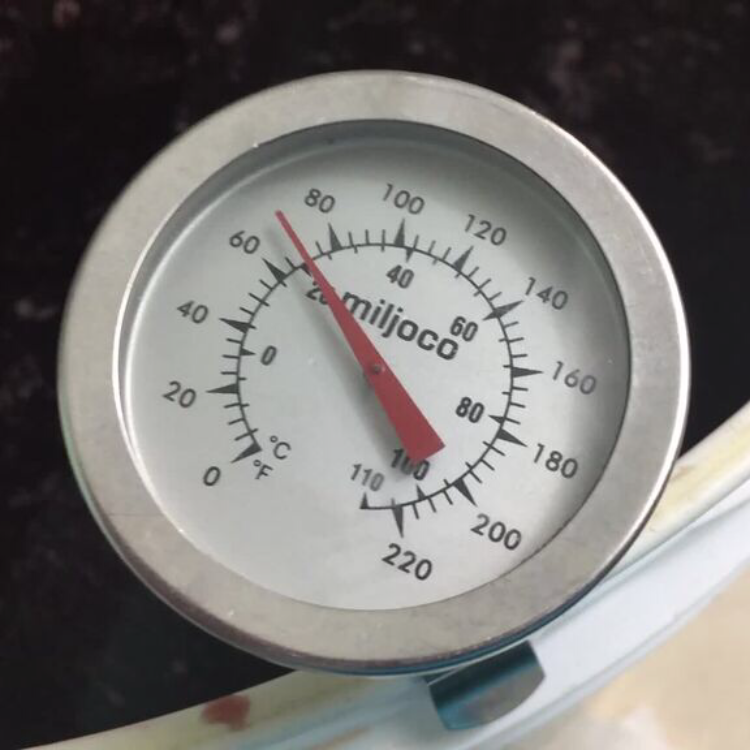
In the next two posts, we are going to look at a couple important measurements you will use as you go through the process of making wine. In this post, we will look at temperature, which is a very important factor regardless of the type of wine you are making. Next, we will take a close look at how we can track the process of fermentation by majoring the alcohol levels.
When you finish reading this article, you should be able to explain the effects that temperature has on yeast and the fermentation process, and identify the optimum temperatures for fermenting different types of wine.
If you recall the discussion we had in the previous post, each type of yeast has nutrient preferences for its optimum growth and reproduction. The same is true for yeast when it comes to temperature. When we introduce yeast to temperatures which are not preferred, the yeast will perform poorly during fermentation. On the other hand, when the temperature is matched to the yeast's preferences, we provide an environment which allows the yeast to thrive. Because the yeast is a living organism, we have to consider the conditions we are putting it in to ensure it is not stressed or harmed by temperature.
If you've taken any chemistry classes in school, you know that higher temperatures cause chemical reactions to occur more quickly, and cooler temperatures usually slow down those processes. The same is true for yeast activity during fermentation. The higher the temperatures, the faster fermentation will occur. While this may sound like a good thing, there are several factors we need to take into consideration.
First, we need to give the yeast time to work on the various aromatic elements from the skins of the grapes. Remember that these compounds are what give the wine its character and its flavor. If fermentation occurs too quickly, we lose the benefits of the polyphenols, glycerol, acids, and other components which will bring flavor and complexity to our wine. Accelerating fermentation by exposing your wine to higher temperatures will negatively affect the chemistry of your wine. If the temperature gets too high, it can kill the yeast, requiring you to add more yeast to complete fermentation.

To share a story from my personal experience, I made a batch of wine which was exposed to temperatures above 80°F for several days. It finished fermentation in just under five days instead of the typical 7 to 10 days. The resulting wine had the appropriate amount of alcohol in it, but the wine tasted more like grape juice than the expected flavors from that varietal. I had to add oak and age the wine much longer than expected in order to get a decent product out of that batch. The results were a little disappointing, and I learned a valuable lesson about the effect of temperature on fermentation.
Just as high temperatures accelerate fermentation, temperatures which are lower than they should be will cause fermentation to slow or stop completely. Yeast have the ability to go dormant, and will do so out of self-preservation if the temperature gets too low.
Most yeasts become active at temperatures around 48°F or 9°C. Unless the yeast is designed to operate at a lower temperature, the yeast will become dormant around this point. At the opposite end of the spectrum, yeast have difficulty surviving at temperatures above 93°F or 34°C. When the temperature of your must approaches this level, you are in danger of killing your yeast. In most cases, you want to keep your fermentation temperature between 59° and 77°F or 15° and 25°C.
So what is the best temperature for fermentation? The answer is it depends. Are you making a red wine, or a white wine? White wine yeasts prefer much cooler temperatures, usually between 45 and 60°F or 7°C to 16°C. Because white wines are more delicate, fermentation temperatures at the higher end of the spectrum will result in a loss of some of the flavor characteristics. Cooler temperatures ensure that the aromatic compounds are not carried away by the carbon dioxide produced during fermentation.

Red wines are more robust, and have the advantage of a higher concentration of aromatic compounds, so the probability of losing some of the flavor and aroma at 70°F is much lower. Even though red wines are sturdier, they are usually fermented at temperatures between 70°F to 85°F (20°C to 30°C). Notice that there is a significant difference between the ranges used for red and white wines. The best way to determine the correct temperature for fermentation is to look at the information printed on the packet or container provided by the manufacturer.
Another thing you need to be aware of is that because fermentation is an organic process, it will cause the temperature of your must to rise 10 to 15 degrees above room temperature. If you start your fermentation at the higher end of the spectrum, it is possible to push your fermentation temperature out of the desirable range. Slower fermentations generate less heat, and allow the fermentation vessel to absorb most of the temperature increase as it adjusts to the outside room temperature. The faster fermentation progresses, the warmer your must will be. You don't need to worry too much about this effect if you keep your fermentation temperatures near the middle of the range.
When it comes to temperature, the most important factor is consistency. It is better to keep your fermentation at a steady 75°F (even if it is a white wine) for the entire process than to expose it to temperatures which fluctuate several degrees over the course of fermentation. Ideally, you should keep your red wines fermenting at about 70°F, while your whites do best at about 55°F. If you live in a warm climate like I do, this may not be possible, so you do the best you can. Some people use insulated coolers, refrigerators or other temperature controlled devices to keep their fermentation temperatures constant. In my personal experience, this isn't something you should invest in unless you are really serious about your winemaking.
Remember that each yeast manufacturer provides information about what temperatures each strain of yeast prefers. Like everything else in winemaking, you can decide how to use that information. The most important thing to remember however is that winemaking is not supposed to be stressful. As long as you follow these simple guidelines I've given you in this lesson, you will do fine.
Now that we've talked about the effect temperature has on fermentation, and the temperatures preferred by red wine yeasts and white wine yeast, take a minute to post your questions in the comments section of this article. In the next post, we will talk about how to measure the alcohol content and how that measurement is used in tracking the progress of our fermentation. I'll look forward to seeing you there!
Shop Wine Thermometers on Amazon
Affiliate Disclosure: The Home Wine Guy is a participant in the Amazon Services LLC Associates Program, an affiliate advertising program designed to provide a means for us to earn fees by linking to Amazon.com and affiliated sites. The revenue stream enables us to continue publishing online content without asking our audience to pay for access. This program does not impact your Amazon Prime discount or the product pricing
Comments